

close
Choose Your Site
Global
Social Media


Views: 0 Author: Site Editor Publish Time: 2026-03-13 Origin: Site


Have you ever wondered why some bed frames last decades, while others fail within a few years? Many homeowners now rethink how they choose bedroom furniture. Instead of replacing furniture often, they prefer pieces that remain strong, beautiful, and reliable for a long time.
This shift explains the rising interest in Solid Wood Beds. Unlike frames made from particleboard or engineered panels, solid wood comes directly from natural timber. It offers dependable strength, warm natural textures, and long-lasting stability. Many people also value how wood ages gracefully, gaining character instead of losing appeal.
Craftsmanship-focused brands such as Domera highlight these advantages through durable materials and careful construction. In this article, we explore why Solid Wood Beds work so well for long-term bedroom furniture. You will learn about durability, design versatility, health benefits, and practical factors that help these beds remain valuable for many years.
Durability is one of the biggest advantages of Solid Wood Beds. Natural hardwood structures resist bending, cracking, and structural fatigue. They remain stable even after years of regular use.
Engineered materials, in comparison, often rely on glue and compressed fibers. Over time they can weaken or sag, especially when exposed to moisture or repeated stress. Solid wood frames hold their shape and strength much longer.
Typical lifespan comparison:
Bed Frame Material | Average Lifespan | Structural Strength |
Solid Wood | 20–50+ years | Very high |
Veneer over MDF | 7–12 years | Moderate |
Particleboard | 5–10 years | Low |
This longevity makes solid wood beds a reliable long-term furniture investment.
Modern bedrooms often use larger mattresses such as queen, king, or California king sizes. These mattresses require a strong frame capable of supporting significant weight.
Solid wood provides the density needed for this job. Hardwood species like oak, maple, and walnut offer excellent load-bearing capacity. The bed frame remains firm even when supporting heavier mattresses or multiple sleepers.
Because of this strength, many high-quality solid wood beds also require fewer metal reinforcements, resulting in a cleaner and more natural furniture design.
A good bed frame should not squeak or shift during the night. Stability plays a key role in sleep comfort.
Solid wood frames typically feature thicker rails and stronger connections. This reduces movement and eliminates the common noise issues found in lighter metal or composite frames.
A stable base allows the mattress to perform correctly, improving body support and sleep quality.
Note: Stable bed frames help prevent mattress sagging, which supports better spinal alignment during sleep.
Furniture experiences daily wear—movement, cleaning, occasional bumps. Solid Wood Beds handle these conditions well.
Natural wood fibers maintain structural integrity even after years of use. Minor scratches or marks rarely affect performance. Many people actually appreciate the subtle patina that develops over time.
Instead of looking worn out, solid wood furniture often gains character.
The purchase price of solid wood beds can appear higher at first. However, their long lifespan often results in lower total ownership cost.
Over a 30-year period, replacement patterns typically look like this:
● Low-cost engineered bed frames
○ Average price around \$300
○ Replacement needed roughly every 6–8 years
○ Total spending across 30 years may exceed \$1200
● Solid wood bed frames
○ Average price around \$900
○ Lifespan often reaches 25–30 years or longer
○ Usually only one purchase during the same period
This long-term durability helps homeowners reduce replacement cycles while maintaining higher furniture quality throughout the years.
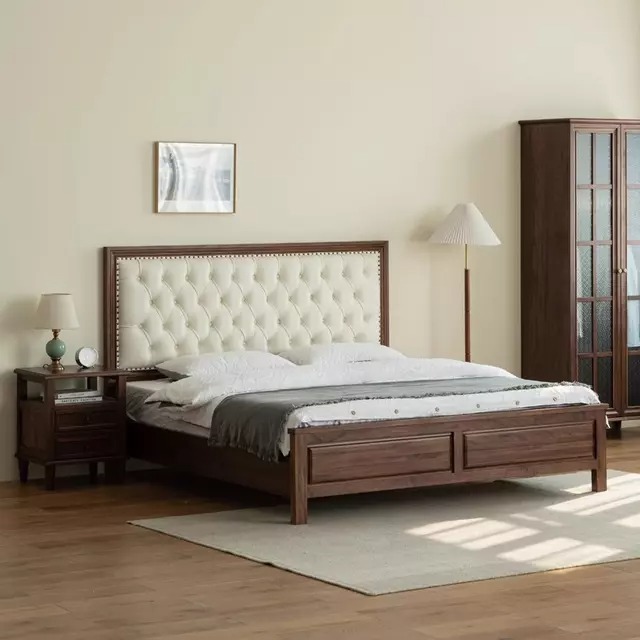
One of the most attractive qualities of wood furniture is its natural grain pattern. Each tree grows differently, which means every bed frame displays unique textures and tones.
This individuality creates warmth and authenticity within the bedroom. No two solid wood beds look exactly the same.
Popular wood species often used in bedroom furniture include:
● Oak – strong, classic grain patterns
● Maple – smooth texture and light tone
● Walnut – rich dark color and elegant grain
● Cherry – warm tones that deepen over time
Each species brings a slightly different design personality to the room.
Another advantage of Solid Wood Beds is design flexibility. Wood works well across many interior styles.
Common bedroom styles that pair well with solid wood include:
● Modern minimalist rooms
● Scandinavian interiors
● Rustic farmhouse spaces
● Coastal or natural-inspired bedrooms
● Traditional and classic décor
Because of this versatility, solid wood beds remain compatible even as interior design trends change.
Unlike synthetic materials that fade or peel, wood tends to mature gracefully. Over time it develops deeper color tones and richer visual depth.
This natural aging process gives furniture a sense of authenticity and history. Many homeowners even view older solid wood pieces as more beautiful than new ones.
For families, this makes solid wood beds potential heirloom furniture.
Bedrooms should support relaxation and wellness. Furniture materials play a role in indoor air quality.
Solid wood beds use natural timber rather than compressed fibers and adhesives. This reduces the presence of synthetic materials often found in engineered furniture.
A more natural material environment helps create a comfortable sleeping space.
Solid wood surfaces are smooth and easy to clean. They do not trap dust or allergens as easily as fabric or porous composite materials.
Regular dusting keeps the surface clean. This helps maintain a healthier bedroom environment, particularly for people sensitive to allergens.
Wood originates from renewable natural resources. Responsible forestry practices allow trees to regenerate after harvesting. Furniture made from sustainable wood sources therefore supports environmental balance. The environmental advantage becomes clearer when comparing furniture lifespans. Durable pieces require fewer replacements, reducing manufacturing demand and transport emissions. The following table highlights sustainability factors.
Furniture Material | Renewable Source | Typical Lifespan | Waste Impact |
Particleboard | Limited | Short | Higher landfill waste |
Plastic or composite | Non-renewable | Moderate | Difficult recycling |
Solid Wood | Renewable | Long | Lower replacement waste |
Long-lasting products reduce environmental pressure over time.
Furniture disposal contributes significantly to landfill waste worldwide. Short-lived products often get replaced within a decade.
Solid wood beds change that cycle. Their long service life means fewer discarded items over time.
For environmentally conscious homeowners, choosing long-lasting furniture is one simple way to reduce waste.
The type of wood used in a bed frame strongly affects durability and appearance.
Here is a quick overview of common hardwood choices:
Wood Type | Durability | Appearance |
Oak | Very high | Bold grain pattern |
Maple | High | Smooth and light |
Walnut | High | Rich dark tone |
Cherry | High | Warm reddish color |
Manufacturers choose these woods because they balance strength, beauty, and long-term stability.
Quality bed frames rely on strong joinery rather than simple screws.
Common traditional methods include:
● Mortise and tenon joints – strong interlocking wood connections
● Dowel joints – reinforced alignment and support
● Corner blocks – added stability for bed rails
These techniques distribute weight evenly across the frame.
The result: a stronger and quieter structure.
High-end furniture makers place strong emphasis on quality control. Brands such as Domera follow multiple production checks to ensure durability and structural reliability.
These quality procedures often include:
● repeated material inspections
● structural testing of frames
● finish durability testing
● stability checks before shipping
This careful oversight ensures the final bed frame performs well beyond its initial appearance.
Tip: When evaluating solid wood beds, always ask about wood species, joinery methods, and quality testing standards.
Maintaining Solid Wood Beds is surprisingly simple.
Basic care includes:
● dusting with a soft cloth
● occasional wood polish
● avoiding excessive moisture
These simple habits keep the surface clean and preserve the wood finish.
Another advantage of solid wood furniture is repairability.
If scratches or dents appear, they can often be sanded and refinished. This restores the surface without replacing the entire piece.
Few furniture materials offer this level of long-term maintenance flexibility.
Home décor evolves over time. Paint colors, bedding styles, and lighting choices may change.
Solid wood beds adapt easily to these updates because natural wood tones complement many palettes.
For example:
Design Change | Compatibility with Solid Wood Beds |
New bedding colors | Works easily with neutral wood tones |
Interior style updates | Fits both modern and traditional looks |
Lighting changes | Wood reflects warm lighting naturally |
This adaptability helps the bed remain relevant even as the room evolves.
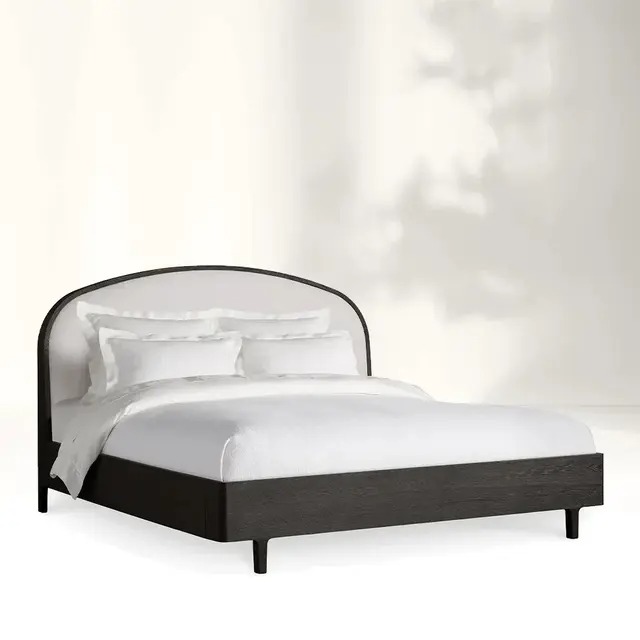
Choosing the right bed frame requires attention to both materials and craftsmanship.
Look for hardwood varieties known for durability, such as oak, maple, walnut, or cherry. These woods resist dents and maintain structural strength over time.
Softwoods like pine can also work well when properly constructed.
A strong frame depends on more than the wood itself.
Check for:
● reinforced side rails
● thick support slats
● traditional joinery methods
● sturdy center support beams
These features help prevent long-term structural issues.
Furniture finishes influence indoor air quality. Choose low-VOC or natural finishes when possible.
Transparent materials information from manufacturers can help confirm safer finish choices.
Brands such as Domera emphasize this material transparency, supporting healthier bedroom environments.
Use the following checklist when comparing solid wood beds:
● ✔ Confirm the frame uses real solid wood
● ✔ Check hardwood species and durability
● ✔ Look for strong joinery techniques
● ✔ Choose low-VOC finishes
● ✔ Verify structural support for mattress size
This approach helps ensure the bed performs well for decades.
A bed frame does more than support a mattress. It shapes sleep comfort and the overall look of a bedroom. Choosing durable materials greatly affects how long furniture performs well. Solid Wood Beds offer reliable strength, natural beauty, and lasting value for modern homes.
These beds resist daily wear and support larger mattresses without losing stability. Their natural materials also promote healthier indoor spaces and reduce frequent furniture replacement. Over time, the wood surface develops richer tones, adding character to the bedroom design while maintaining structural integrity.
Quality craftsmanship further improves long-term performance. Manufacturers such as Nantong Domera Furniture Co., Ltd. focus on careful material selection and precise production processes. Their solid wood beds combine durability, elegant design, and dependable support, giving homeowners furniture that remains useful, comfortable, and visually appealing for many years.
A: Solid Wood Beds are known for durability, natural strength, and timeless design. Hardwood structures resist bending and wear, allowing the bed frame to remain stable for decades. This longevity makes them a reliable choice for long-term bedroom furniture.
A: High-quality Solid Wood Beds can last 20 to 50 years or more when properly maintained. Their dense wood structure helps them resist sagging and structural fatigue, making them far more durable than many engineered alternatives.
A: Yes. Solid Wood Beds provide excellent structural support for larger mattresses such as queen, king, or California king sizes. Hardwood materials distribute weight evenly, helping maintain frame stability and mattress performance.
A: Not at all. Solid Wood Beds usually require simple care, such as regular dusting and occasional polishing. Minor scratches can often be repaired or refinished, helping the bed maintain its appearance for many years.
A: In most cases, Solid Wood Beds offer stronger construction and longer lifespan than engineered wood frames. They also provide natural wood grain aesthetics and greater repairability, which improves long-term value.
A: Although Solid Wood Beds often cost more initially, their long lifespan reduces replacement needs. Over time, many homeowners find them more cost-effective because they maintain both structural reliability and visual appeal.


