

close
Choose Your Site
Global
Social Media


Views: 0 Author: Site Editor Publish Time: 2026-03-20 Origin: Site


Choosing a bed frame may seem simple, yet it often raises an important question: should you choose a Solid Wood Bed or a metal bed frame? Both options support a mattress, but the material influences much more than structure. It affects sleep comfort, bedroom atmosphere, durability, and even the long-term value of your furniture. Many homeowners also notice that the bed frame plays a major role in how stable, quiet, and visually balanced a bedroom feels.
A Solid Wood Bed has long been associated with natural warmth, strong craftsmanship, and timeless design. Its dense structure often reduces movement noise and provides a more grounded sleeping experience. Metal frames remain popular as well, especially in modern interiors where lightweight structure and minimalist lines are preferred. Because both materials offer different advantages, choosing the right one requires understanding how they perform in daily use.
In this article, we explore the key differences between a Solid Wood Bed vs Metal Bed Frame. We will examine comfort, durability, design style, maintenance needs, and sustainability considerations. You will also learn how quality-focused brands such as Domera approach solid wood craftsmanship and long-lasting furniture design. By the end, you will have a clear idea of which bed frame best suits your bedroom and lifestyle.
When people think about comfort, they usually focus on the mattress. However, the bed frame also affects sleep quality. The material, structure, and stability of the frame influence noise, temperature, and motion transfer.
One of the most noticeable benefits of a Solid Wood Bed is its stability. Hardwood frames are dense and heavy, which helps them remain steady even when people move during sleep.
Metal frames often rely on thinner components connected by bolts. Over time, these connections may loosen slightly and create noise. Wood frames, especially those built with strong joinery, tend to remain quiet.
This quieter structure can make a meaningful difference for people who wake easily from small sounds.
Wood naturally holds heat better than metal. Because of this, a Solid Wood Bed often feels warmer and more comfortable in cooler environments.
Metal reacts quickly to temperature changes. In colder seasons, it can feel cool to the touch. In warmer conditions, it may absorb heat more easily.
While this difference may seem small, it contributes to the overall atmosphere of the sleeping environment.
Motion transfer becomes important when two people share a bed. A Solid Wood Bed helps reduce this issue. Its weight and density absorb movement before it spreads across the frame.
Metal frames often transmit vibration more easily. Even small movements can travel through thin metal bars. This difference may affect light sleepers.
The following comparison highlights the motion behavior of each frame type.
Motion Factor | Solid Wood Bed | Metal Bed Frame |
Frame Density | High | Moderate |
Vibration Absorption | Strong | Limited |
Movement Transfer | Lower | Slightly higher |
Tip: When testing a bed frame in a showroom, gently push the headboard. A stable frame usually moves less and feels more grounded.
Metal frames provide strong structural support. They are often lighter and easier to move, which makes them practical for some living situations.
Their rigid construction works well with certain mattress types. Many people also appreciate the simple design and easy assembly.
However, because metal is less dense than wood, it may transmit vibration and sound more easily.
The answer depends on personal preference, yet many homeowners prefer the quiet, warm, and stable experience of a Solid Wood Bed. The natural material contributes to a bedroom atmosphere that feels calm and inviting.
Tip: When evaluating bed frame comfort, test the structure itself. A stable frame often improves sleep quality even with the same mattress.
Both metal and wood frames offer durability, yet their performance over time differs.
Hardwood materials such as oak, maple, and walnut are known for exceptional strength. These woods resist dents and structural damage better than softer materials.
A well-constructed Solid Wood Bed distributes weight evenly across the frame. Thick support beams and durable slats help maintain stability even after many years of daily use.
The lifespan of a bed frame depends on materials and craftsmanship. On average:
Bed Frame Type | Average Lifespan | Key Characteristics |
Solid Wood Bed | 20–25 years or more | Strong, stable, long-lasting |
Metal Bed Frame | 15–20 years | Lightweight, resistant to pests |
High-quality hardwood beds can sometimes last even longer, especially when they use traditional construction methods.
Construction techniques play a major role in durability. Traditional woodworking methods such as mortise-and-tenon joints create extremely strong connections between frame components.
Brands like Domera emphasize careful craftsmanship and multiple quality inspections during production. These processes help ensure that each piece meets high durability standards.
Because of this attention to detail, solid wood furniture often remains reliable for decades.
Every material reacts to environmental conditions. Humidity, temperature changes, and room ventilation can influence furniture performance.
Wood expands slightly when humidity rises and contracts in dry environments. Proper indoor conditions usually keep this movement minimal.
Metal frames remain structurally stable but may require protective coatings to prevent corrosion in humid areas.
Overall, both materials perform well in normal indoor conditions when maintained properly.
Note: Quality matters more than material alone. A well-crafted frame usually outperforms a poorly built one regardless of material.
A Solid Wood Bed offers something metal cannot fully replicate: organic beauty.
Every piece of wood contains unique grain patterns. These patterns create natural texture and visual depth. Over time, wood also develops richer tones, adding character to the furniture.
This natural aesthetic helps bedrooms feel warmer and more inviting.
One advantage of wood is its versatility. Solid wood beds fit a wide range of interior design styles:
● Scandinavian interiors with light natural finishes
● Rustic and farmhouse designs featuring textured wood surfaces
● Classic bedrooms with darker stains such as walnut or cherry
● Modern natural designs combining wood with neutral colors
The wide variety of wood types and finishes allows homeowners to customize the look easily.
In contrast, metal bed frames often complement industrial or minimalist interiors where thin lines and simple forms are preferred.
Maintaining a Solid Wood Bed usually requires only basic care:
● Dust regularly using a soft cloth
● Avoid excess moisture during cleaning
● Use gentle wood polish occasionally
● Check joints periodically for stability
These simple steps help preserve the natural finish and structure.
Metal frames are generally simple to wipe clean with a damp cloth. They do not require polishing or refinishing.
Wood frames may require slightly more attention, yet they also offer an advantage. If scratches appear, wood surfaces can often be refinished or restored, extending the furniture's lifespan.
One appealing feature of solid wood furniture is the way it ages naturally over time. Exposure to light and air slowly deepens the color and enriches the grain pattern. This gradual change creates a warmer and more refined appearance. Many homeowners appreciate how this natural aging process adds character and personality rather than reducing the furniture’s beauty.
High-quality wooden frames maintain strong structural stability for many years. Thick support beams, reinforced joints, and sturdy slats help distribute weight evenly across the frame. These structural elements prevent shifting or sagging during long-term use. As a result, a well-built wooden bed frame continues to provide reliable support and comfort.
Solid wood is a renewable natural resource when sourced responsibly. Furniture made from certified wood often comes from forests managed for long-term sustainability.
Because solid wood beds last many years, they reduce the need for frequent replacement. This longer product lifecycle lowers overall resource consumption.
Many modern furniture manufacturers emphasize sustainable production. This includes responsible wood sourcing, efficient manufacturing, and recyclable materials.
Companies like Domera highlight environmentally conscious practices, including the use of natural materials and careful resource management during production.
These efforts help reduce environmental impact while maintaining high product quality.
Metal bed frames also offer environmental advantages. Steel and iron can be recycled repeatedly without losing strength.
However, metal production typically requires more industrial energy compared with woodworking processes.
Both materials can support sustainable design when responsibly produced.
A Solid Wood Bed is an excellent option for people who value:
● Warm and natural bedroom aesthetics
● Quiet and stable sleep support
● Durable furniture built to last many years
● Classic or timeless design styles
For many homeowners, wood furniture also provides a sense of craftsmanship that enhances the room’s atmosphere.
Metal frames may suit certain situations, such as:
● Minimalist or industrial interiors
● Lightweight furniture setups
● Apartments where furniture moves frequently
● Budget-focused bedroom projects
Their lighter structure often makes them easier to transport or reposition.
Before purchasing a frame, consider several practical factors:
Buying Factor | Why It Matters |
Bedroom Style | The frame should match existing furniture |
Mattress Weight | Heavy mattresses need stronger support |
Frame Lifespan | Long-lasting furniture saves replacement costs |
Maintenance Level | Some materials require more care |
Careful evaluation helps narrow the decision quickly.
Your bed frame should complement the rest of the bedroom furniture. Materials, colors, and textures should work together to create a balanced space.
For example, a Solid Wood Bed pairs well with wooden nightstands, neutral fabrics, and soft lighting.
When the design elements align, the room feels more cohesive and comfortable.
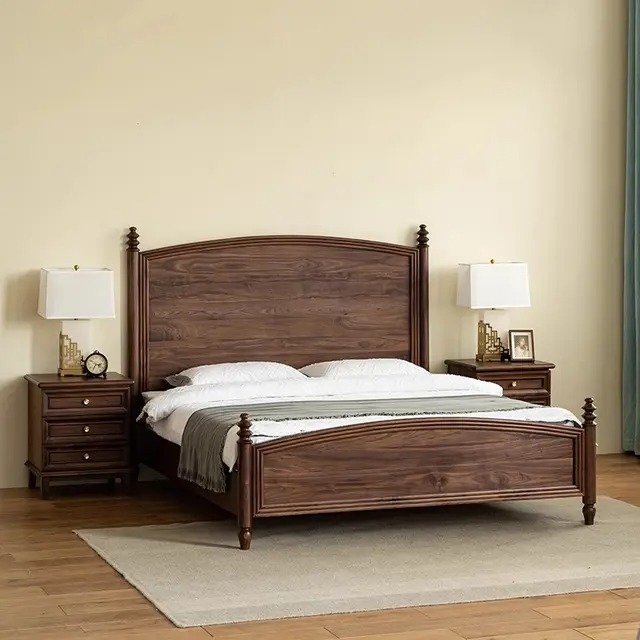
Both Solid Wood Beds and metal bed frames provide dependable mattress support, yet they create very different sleeping experiences. A Solid Wood Bed often delivers quiet stability, natural warmth, and strong long-term durability. Its solid structure reduces noise and movement, while the organic texture of wood adds timeless character to a bedroom. Metal bed frames remain useful in minimalist interiors where lightweight design and simple structure matter, but many homeowners prefer the calm and inviting atmosphere created by natural wood furniture.
A well-crafted Solid Wood Bed can serve a home for many years while enhancing interior style and comfort. Furniture produced by Nantong Domera Furniture Co., Ltd. reflects this philosophy. Their solid wood designs combine careful craftsmanship, reliable structural support, and thoughtfully selected materials. These qualities help create durable bedroom furniture that offers both long-term value and everyday comfort for modern living spaces.
A: The main difference lies in material performance and design. A Solid Wood Bed offers natural warmth, strong stability, and quieter sleep support. Metal bed frames are lighter and often suit modern or minimalist interiors, but wood typically provides a more grounded and comfortable sleeping experience.
A: Many people choose a Solid Wood Bed because it combines durability, natural beauty, and long-term comfort. Wood absorbs vibration better than metal, which reduces noise and movement. It also adds warmth and character to a bedroom through its natural grain patterns.
A: A high-quality Solid Wood Bed can often last 20–25 years or even longer when made from hardwood such as oak, maple, or walnut. Strong joinery and thick support beams help maintain structural stability for decades.
A: In many cases, metal bed frames have a lower upfront price. However, a Solid Wood Bed often delivers better long-term value due to its durability and timeless design, which can reduce the need for replacement over time.
A: A Solid Wood Bed fits a wide range of interior styles, including Scandinavian, rustic, classic, and modern natural designs. Its natural texture and color variations help create a warm and welcoming bedroom atmosphere.
A: The decision depends on your priorities. If you value warmth, quiet stability, and long-lasting furniture, a Solid Wood Bed is often the better option. Metal frames may work well for minimalist spaces or situations where lightweight furniture is preferred.


