

close
Choose Your Site
Global
Social Media


Views: 0 Author: Site Editor Publish Time: 2026-02-27 Origin: Site


Why do some bed frames feel solid for years? Why do others start to squeak fast? In 2026, buyers pay closer attention to makers, not just looks. A Solid Wooden Bed can be a long-term asset. The market now rewards real wood, clean design, and proven build quality. Buyers check hardwood choice, joinery, and finish durability. They also look for responsible sourcing and greener production signals. Trust grows when a manufacturer delivers consistent results at scale.
In this article, we’ll break down what “trusted” really means today. You’ll learn how to judge wood quality and frame construction. We’ll cover testing, certifications, and supply reliability across regions. You’ll also see the supplier traits buyers value most in 2026.
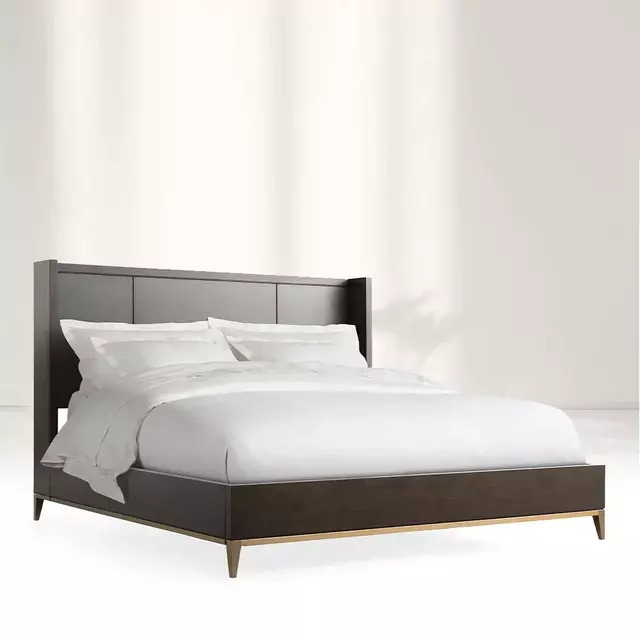
Choosing the right manufacturer requires understanding what separates ordinary furniture suppliers from truly reliable partners. Buyers in 2026 evaluate manufacturers through several key criteria: material quality, craftsmanship standards, sustainability practices, and operational reliability.
The foundation of every high-quality Solid Wooden Bed is the wood itself. Hardwood species such as oak, walnut, maple, and cherry remain the most preferred materials in premium furniture manufacturing.
These woods offer several advantages:
● High structural strength
● Natural resistance to wear
● Long lifespan under daily use
● Rich grain patterns that enhance visual appeal
Responsible manufacturers also focus on sustainably sourced wood. Many now partner with certified forests or use reclaimed materials. This ensures durability while protecting natural resources.
Material alone does not guarantee quality. Craftsmanship plays an equally important role in the longevity of a Solid Wooden Bed.
Trusted manufacturers rely on proven joinery techniques such as:
● Mortise-and-tenon joints
● Dowel reinforcement
● Precision wood framing
● Metal support brackets for structural reinforcement
These methods create a bed frame that remains stable even after years of daily use.
Manufacturers known for woodcraft expertise often blend traditional woodworking techniques with modern precision engineering, producing furniture that balances beauty with strength.
Environmental awareness continues to influence furniture purchasing decisions. Buyers increasingly prefer manufacturers that adopt eco-friendly production methods.
Common sustainability practices include:
● FSC or PEFC certified wood sourcing
● Recycled or reclaimed materials
● Low-VOC finishes and coatings
● Energy-efficient manufacturing processes
Manufacturers that actively pursue environmental initiatives often earn stronger trust from both homeowners and commercial buyers.
Note: Sustainability certifications not only protect forests—they also signal transparent sourcing and responsible production.
Another defining factor of a reliable manufacturer is strict quality control.
Before reaching customers, many premium Solid Wooden Bed designs undergo multiple rounds of testing, including:
Testing Area | Purpose |
Structural stability | Ensures frame strength and load capacity |
Surface finishing | Verifies durability of coating and texture |
Assembly accuracy | Confirms components fit precisely |
Long-term wear simulation | Evaluates durability over time |
Rigorous product sampling and testing help manufacturers deliver furniture that meets both safety standards and long-term durability expectations.
Quality products alone are not enough. Buyers also consider logistics and service reliability.
Trusted manufacturers invest in:
● international warehouses
● efficient shipping networks
● professional installation guidance
● responsive after-sales service
A strong supply chain ensures buyers receive their Solid Wooden Bed products on schedule, whether for a private residence or a large hospitality project.
Several types of manufacturers dominate the global solid wood furniture market. Each offers different advantages depending on buyer needs.
Among trusted furniture brands, Domera has gained recognition for combining craftsmanship with sustainability.
The company focuses on producing furniture designed to last for generations. Its philosophy emphasizes durability, precision craftsmanship, and timeless design. Each product is carefully developed to meet strict production standards and aesthetic expectations.
Domera is also known for its commitment to material quality. The brand selects premium natural wood and applies detailed finishing processes to ensure long-term stability. This attention to detail allows its Solid Wooden Bed designs to maintain both structural strength and visual elegance.
Smaller boutique manufacturers often attract buyers seeking custom designs and handcrafted furniture.
Their strengths include:
● personalized materials and finishes
● unique headboard designs
● smaller production batches
● strong focus on craftsmanship
These manufacturers appeal to buyers who prioritize individuality and design flexibility.
Large furniture producers serve retailers, developers, and hospitality groups that require stable supply.
Their advantages typically include:
● high production capacity
● standardized quality systems
● global distribution networks
● efficient cost control
While designs may be more standardized, they provide reliable options for projects requiring large quantities of Solid Wooden Bed frames.
When evaluating bed frames, buyers focus on features that affect both performance and aesthetics.
Feature Category | Key Elements | Buyer Value |
Structural Strength | Reinforced beams · Hardwood slats · Stable joints | Long-term stability |
Design Compatibility | Scandinavian · Neutral tones · Natural wood | Easy interior matching |
Customization Options | Wood species · Finish colors · Headboards | Flexible design choices |
A high-quality Solid Wooden Bed must provide reliable support for many years.
Key structural components include:
● reinforced central beams
● thick hardwood slats
● stable corner joints
● durable side rails
Strong structural design prevents frame movement, creaking, and long-term deformation.
Design flexibility also matters. Buyers prefer furniture that integrates easily with different interior styles.
Popular aesthetics include:
● Scandinavian minimalism
● contemporary neutral palettes
● natural wood finishes
● modern platform designs
Because of its natural appearance, a Solid Wooden Bed blends easily with modern, rustic, or minimalist interiors.
Customization has become increasingly important in furniture selection.
Some manufacturers offer extensive options, including:
● multiple wood species
● dozens of finish colors
● headboard design variations
● different bed frame heights
Such flexibility allows buyers to align furniture with specific room layouts and design themes.
Tip: When evaluating customization options, request finish samples before finalizing large orders. Color variations can appear different under various lighting conditions.
Natural wood adds warmth and authenticity to interior spaces. Its organic grain patterns create visual depth that synthetic materials often lack.
Unlike many trend-driven furniture pieces, a Solid Wooden Bed rarely goes out of style. It complements both traditional and modern interiors.
Durability remains one of the biggest advantages of solid wood furniture.
Hardwood frames can maintain their structural integrity for decades. Proper joinery techniques further increase stability, reducing movement and wear.
Consumers today care about environmental impact. Solid wood furniture often aligns well with sustainable living values.
Many manufacturers use responsibly sourced timber or reclaimed wood, reducing environmental footprint while maintaining product quality.
Another advantage lies in versatility.
A well-designed Solid Wooden Bed fits various environments:
● residential homes
● guest rooms
● boutique hotels
● serviced apartments
Clean lines and durable materials make them suitable for both personal and commercial spaces.
When evaluating manufacturers, buyers usually start by reviewing material quality and construction methods. These elements determine whether a bed frame will remain stable and durable over time. Rather than focusing only on appearance, experienced buyers look closely at the structural details behind a Solid Wooden Bed. The following aspects are commonly examined during supplier comparisons.
Evaluation Aspect | What Buyers Check | Why It Matters |
Wood Quality | Hardwood type, grading | Stronger and more durable |
Surface Finish | Coating durability | Maintains appearance |
Frame Structure | Reinforcement, support beams | Better stability |
Joint Stability | Frame connections | Prevents loosening |
Experience also influences purchasing decisions in the furniture industry. Buyers often prefer manufacturers that have maintained stable production and product quality over many years. A longer operating history usually reflects stronger technical knowledge, better supply management, and more refined craftsmanship standards.
Buyers typically review several key indicators before selecting a supplier:
● years of operation
● product portfolio
● customer feedback
● industry certificationsThese factors help buyers understand whether a manufacturer can deliver consistent quality and reliable service. Companies that continue investing in innovation, design improvement, and skilled craftsmanship often develop stronger reputations and long-term partnerships across global furniture markets.
Furniture design continues to evolve. Several trends are shaping the future of the Solid Wooden Bed market.
Platform beds remain one of the most popular styles.
They feature:
● low-profile frames
● clean lines
● minimal ornamentation
● strong structural simplicity
This design aligns well with modern interior aesthetics.
Modern furniture increasingly integrates practical features.
Examples include:
● under-bed storage drawers
● modular headboards
● integrated lighting elements
These additions improve usability without compromising structural integrity.
Another major trend is the emphasis on natural wood textures.
Instead of heavy coatings, manufacturers now highlight authentic grain patterns using eco-friendly finishes. This approach enhances both aesthetics and environmental performance.
Selecting the right supplier requires careful comparison.
Different projects require different capabilities.
For example:
Project Type | Key Requirements |
Residential buyers | design flexibility and aesthetics |
Hospitality projects | durability and volume production |
Custom interior projects | personalized materials and finishes |
Understanding project priorities helps narrow down suitable manufacturers.
Reliable manufacturers often provide design consultation and customization guidance.
This ensures that the Solid Wooden Bed aligns with room layout, interior style, and functional requirements.
After-sales service is equally important.
Buyers should confirm:
● warranty coverage
● installation support
● delivery timelines
● customer service availability
Manufacturers offering transparent service policies tend to build stronger customer trust.
The Solid Wooden Bed market keeps growing in 2026 as buyers focus on durability, reliable craftsmanship, and sustainable materials. Design still matters, yet long-term performance now guides most purchasing decisions. Buyers often evaluate hardwood quality, structural stability, and manufacturing standards before choosing a supplier. Trusted manufacturers stand out by combining premium materials, skilled woodworking, responsible sourcing, and reliable global delivery systems. These factors help ensure that a bed frame offers both visual appeal and dependable everyday use.
Companies such as Nantong Domera Furniture Co., Ltd. demonstrate how traditional woodcraft and modern production can work together. Their solid wooden beds emphasize strong hardwood construction, refined finishing, and thoughtful design suitable for modern interiors. With attention to material quality and customer-focused service, the company delivers durable furniture solutions that support both residential and hospitality projects while providing lasting value for buyers.
A: A trusted manufacturer focuses on premium hardwood, strong joinery, and strict quality testing. A Solid Wooden Bed from such a supplier usually uses durable woods like oak or walnut and reliable construction methods that ensure long-term stability and performance.
A: Buyers prefer a Solid Wooden Bed because it offers durability, natural beauty, and sustainability. Solid wood frames can last for decades, and their natural texture fits modern interior styles such as Scandinavian or minimalist bedrooms.
A: Buyers usually review material sourcing, craftsmanship standards, certifications, and customer reputation. A reliable Solid Wooden Bed manufacturer often provides clear quality testing processes, responsible wood sourcing, and dependable logistics support.
A: The price of a Solid Wooden Bed depends on wood species, craftsmanship, and customization options. Beds made from hardwoods such as walnut or oak typically cost more, but they offer stronger durability and longer service life.
A: A Solid Wooden Bed offers natural aesthetics, stronger structural support, and longer lifespan. Unlike many engineered materials, solid wood maintains stability over time and often develops richer color and texture as it ages.
A: Buyers should examine wood type, frame construction, load capacity, and finishing quality. It is also helpful to review the manufacturer’s experience and service support to ensure the Solid Wooden Bed meets both design and durability expectations.


