

close
Choose Your Site
Global
Social Media

Views: 0 Author: Site Editor Publish Time: 2026-06-05 Origin: Site


Building a foyer entryway isn't just about basic woodworking. It represents a unique spatial challenge where your home's infrastructure meets its critical first impression. We interact daily in this vital transition zone. Yet, we rarely optimize it for both aesthetics and raw utility. When evaluating standard retail Foyer Furniture,Foyer Cabinet installations often stand out because standard pieces waste precious vertical space. They clash clumsily against existing baseboards. They completely fail to hide the inevitable chaos of daily entry and exit routines. You usually end up staring at cluttered shoe racks and awkward wall gaps.
This guide breaks down the critical structural tolerances you need. It explores detailed decision frameworks. It provides the exact installation protocols required to build a lasting, custom Foyer Cabinet. Whether you are fabricating boxes entirely from raw plywood or cleverly modifying pre-built kitchen units, you will master the built-in process step by step.
Hidden Storage is Mandatory: Unlike utility mudrooms, formal foyer cabinets require enclosed, hidden storage to maintain a clean entry aesthetic.
Precision Tolerances: Flawless execution requires adhering to strict measurements—such as 1/2-inch clearances for drawer slides and 1/8-inch gaps for inset doors.
Infrastructure Risks: Never design a floor-to-ceiling unit without auditing the wall for HVAC return vents, electrical panels, or doorbell chimes.
The "Built-In" Illusion: The difference between a standalone box and custom foyer furniture lies in the strategic use of baseboards, crown molding, and precise leveling shims.
You must establish a baseline requirement before purchasing any materials. The psychology of an entryway dictates its design. Mudrooms serve highly utilitarian purposes. They easily tolerate open cubbies, visible coat hooks, and muddy boots. A formal foyer demands a completely different approach. It requires hidden storage solutions like solid doors and tilt-out drawers. This conceals daily clutter effectively.
Feature | Mudroom Storage | Formal Foyer Cabinet |
|---|---|---|
Visual Focus | Pure utility and rapid access. | Clean aesthetics and guest readiness. |
Storage Type | Open cubbies, exposed hooks, baskets. | Hidden compartments, inset doors, drawers. |
Footprint | Often occupies an entire dedicated room. | Compact, leveraging narrow hallway spaces. |
You cannot design a successful built-in without an exhaustive space audit. Look closely at the physical constraints of your entryway.
Depth Constraints: Standard built-in cabinets measure 15 to 24 inches deep. Narrow entries demand alternative thinking. You must evaluate slim-profile tilt-out hardware or rotating door mechanisms. These save precious square footage.
Infrastructure Check (Risk Mitigation): You must deeply survey the target wall. Blocking an HVAC return vent creates massive problems. A blocked vent reduces system efficiency instantly. It also shortens your equipment lifespan. You must plan for integrated ventilation grilles if you cover a wall duct.
Surface Anomalies: Every home has surface irregularities. Account for existing crown molding and tall baseboards. Note any wall-mounted electronics. Thermostats and doorbell chimes must be carefully removed or seamlessly integrated into the new framework.
You face two primary construction routes. Each carries specific cost, time, and skill requirements. You must weigh these criteria carefully before committing to a path.
Building everything from scratch offers the highest level of personalization. You cut raw sheets of plywood into custom boxes.
Pros: You gain complete control over dimensional oddities. If your wall leans, you can adjust the box shape. Using high-grade 3/4-inch plywood guarantees maximum durability. It supports heavy loads effortlessly.
Cons: This route involves a high tool requirement. You need heavy machinery like table saws. You need specialized pocket hole jigs. The overall project timeline extends significantly.
This strategy utilizes stock upper or lower kitchen cabinets. You attach them together and frame them out to look custom.
Pros: This provides rapid deployment. It saves hours of tedious box-building. You bypass complex squaring and joining tasks. The structural core is already complete upon purchase.
Cons: You are strictly locked into standard manufacturer widths. Achieving a true built-in look requires extensive trim work. You must carefully hide all factory seams.
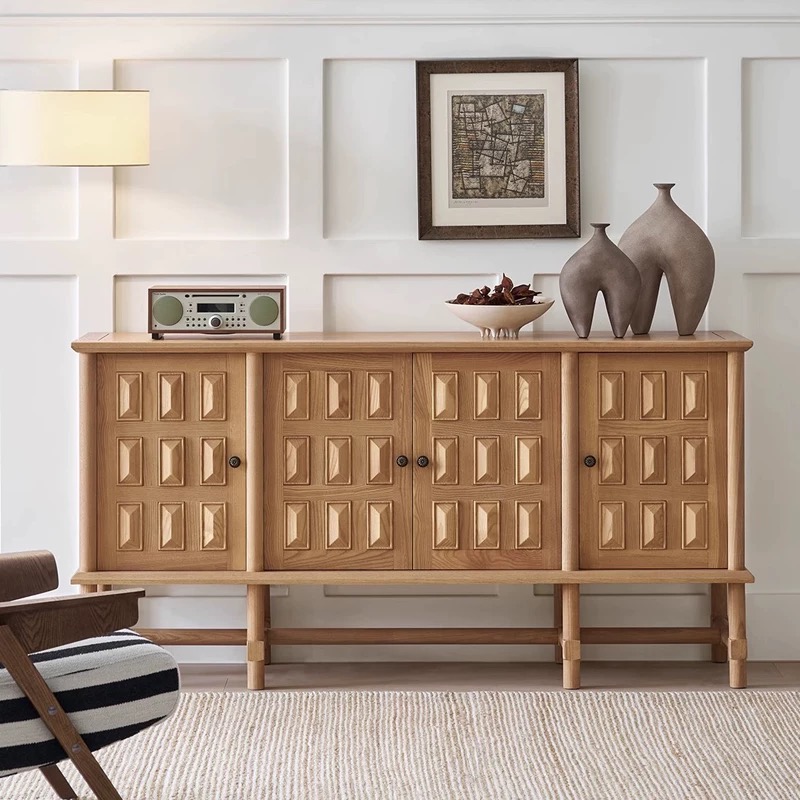
Professional woodworking relies entirely on microscopic tolerances. Small measuring errors compound rapidly. They lead to binding drawers and crooked doors.
Metal drawer slides require rigid mathematical precision. You must strictly allocate a 1/2-inch gap on each side of the drawer box. This prevents lateral binding. If your cabinet opening is 15 inches wide, your drawer box must measure exactly 14 inches wide. Do not deviate from this rule.
Narrow Space Alternative: Sometimes metal hardware will not fit. Extremely narrow custom drawers demand older techniques. You can engineer traditional wood-on-wood sliding channels. They require beeswax for lubrication but save crucial lateral space.
Modern inset doors look highly sophisticated. They sit perfectly flush inside the face frame. They do not overlay it. You must aim for a rigid 1/8-inch tolerance gap around the entire perimeter. Wood expands during humid months. A smaller gap guarantees seasonal sticking.
Flat inset doors present a unique physical challenge. They naturally bow inward over time. Frameless European hinges allow this inward drift. Always install high-quality magnetic door catches. They establish a definitive hard stop. They keep the closed doors perfectly flush.
Large cabinet doors act like sponges. They absorb ambient moisture and twist. You must prevent this seasonal warping. Reinforce the back of oversized doors using sturdy 1/4-inch plywood backing. This simple addition stops cracking and maintains panel rigidity over decades.
Installation determines the final structural integrity. Rushing this phase destroys hours of careful preparation.
Never trust a home's floor to be perfectly level. You must build a separate toe-kick base out of 2x4 lumber. Place it on the floor. Use cedar wood shims to adjust its height. Ensure the base sits perfectly plumb before mounting the heavy cabinet boxes on top.
Cabinets must not tip over. This represents a crucial safety step. You must secure the cabinets directly into solid wall studs. Use heavy-duty 3-inch cabinet screws.
Risk Warning: Always pre-drill pilot holes through the cabinet backing. Driving thick screws directly into pre-finished MDF backs causes immediate material splitting. This compromises the load-bearing integrity permanently.
Large built-ins often require combining multiple smaller boxes. Clamp their front faces tightly together. Connect them internally using hidden pocket hole screws. This ensures they act as one solid monolithic unit. Use standard 1x2 wood trim to cover the vertical seams between individual units.
The final details separate amateur projects from professional installations. The transition from the wooden cabinet to the room determines the perceived quality.
Walls are rarely flat. You will notice ugly gaps between the cabinet edges and irregular drywall. Use smooth MDF panels and flexible scribe molding to fill these voids. Apply PVC edge banding to cover raw plywood edges on the shelves.
You must anchor the piece into the room's architecture. Remove the room's existing baseboards. Wrap them around the bottom of your new cabinet base. Install elegant crown molding at the top. This connects the cabinet seamlessly to the ceiling.
Painting requires patience. If you modify pre-built kitchen cabinets, leave the factory-finished interiors completely alone. They resist scratches well. Prime and paint only the exterior raw wood, trim pieces, and doors.
Consider two-tone finishes for narrow spaces. Paint a dark navy base. Leave the top counter a natural Puritan Pine. This breaks up the visual bulk in smaller foyers.
Building a high-quality foyer cabinet requires moving far beyond basic assembly. You must understand precise spatial engineering.
Success hinges entirely on rigorous base leveling and respecting tight hardware tolerances.
Mitigating structural infrastructure conflicts, like HVAC vents, protects your home's functionality.
The illusion of a high-end built-in relies on masterful trim work and gap bridging.
Next Steps: Before purchasing any lumber or pre-built boxes, map out your exact dimensions. Use blue masking tape directly on your floor. Locate your hidden wall studs today. Verify all your structural anchoring points to guarantee a safe build.
A: A foyer cabinet should house transitional items: keys, mail, umbrellas, seasonal accessories (gloves/hats), and daily-use footwear. Use hidden storage compartments to maintain a formal, welcoming aesthetic.
A: Standard built-ins are 15 to 24 inches deep. However, for tight hallways, a narrow profile of 10 to 12 inches can work perfectly if utilizing tilt-out hardware or shallow shelving.
A: It is not recommended. For a true structural and visual built-in, you must remove the existing baseboards behind the unit, secure the cabinet flush to the wall, and wrap the baseboard trim around the new cabinet's base.


