

close
Choose Your Site
Global
Social Media


Views: 0 Author: Site Editor Publish Time: 2026-07-10 Origin: Site


Purchasing new Home Furniture is a high-stakes, high-cost investment. You likely feel excitement until you finally swipe your credit card. Unfortunately, aesthetic appeal often masks poor construction underneath. Buying based purely on looks frequently leads to premature replacement. You end up wasting your hard-earned budget on items breaking down within months. A truly successful purchase requires moving past surface-level design. You must rigorously evaluate structural integrity, material provenance, and room-specific functionality. Doing so protects your wallet and your daily comfort.
This guide provides an evidence-based framework for evaluating core pieces. We will show you how to shortlist and select durable items across your main living spaces. By following these industry standards, you minimize buyer's remorse. You will confidently maximize the lifecycle value of every piece you buy.
Look past the finish: True quality is defined by internal components—kiln-dried hardwood frames, dovetail joinery, and high-density foam.
Align materials with usage: Upholstery and surface materials must match the room’s traffic level (e.g., performance fabrics for living areas, low-VOC materials for bedrooms).
Measure for ergonomics, not just fit: Standardized clearance rules (e.g., 14–18 inches between sofas and coffee tables) dictate functional success.
Scrutinize the fine print: Warranties should cover frames and suspension independently from fabrics; return policies must account for restocking and freight fees.
A beautiful exterior means nothing if the underlying structure is weak. The frame dictates how long a piece will survive daily use. You should always look for kiln-dried hardwood. Good examples include oak, maple, and ash. The kiln-drying process removes most moisture from the wood. This critical step prevents warping, bowing, and cracking over time.
You must actively avoid particleboard, pressed wood, or MDF in load-bearing structural components. Manufacturers often use these materials to cut production costs. They easily crumble under heavy weight or constant movement. Screws strip out of MDF much faster than they do from solid wood. You can perform a quick showroom test to check frame rigidity. Lift one front corner of a piece about six inches off the floor. The opposite front leg should lift simultaneously. If the other leg remains on the floor, the frame is twisting. Twisting indicates a weak, poorly constructed foundation.
How manufacturers connect wood pieces tells you everything about their quality standards. A strong frame relies entirely on robust joinery. High-quality pieces utilize time-tested woodworking methods. You want to see dovetail joints, mortise-and-tenon connections, and wooden dowels. These techniques create interlocking mechanical bonds. They do not rely solely on chemical adhesives.
You should watch out for glaring red flags. Avoid joints secured primarily by staples, nails, or massive amounts of visible glue. These cheap shortcuts will inevitably loosen as humidity changes and people use the furniture.
Common Joinery Methods Comparison | ||
Joinery Type | Durability Level | Identification Guide |
|---|---|---|
Dovetail | Excellent | Interlocking wedge-shaped cuts, usually seen on drawer sides. |
Mortise-and-Tenon | Excellent | A projecting wood piece fits perfectly into a carved hole. |
Corner Blocks | Very Good | Wooden blocks screwed diagonally into internal frame corners. |
Staples and Glue | Poor | Visible metal staples and messy glue drips inside the frame. |
Fabric must withstand spills, friction, and daily abrasion. You evaluate this durability using the "Double Rub Count." This industry metric measures how many times a machine can rub the fabric before it wears thin. Aim for 15,000+ double rubs for standard use. If you have pets or children, demand 30,000+ double rubs for heavy use.
Cushion cores matter just as much as the exterior fabric. Evaluate the internal foam density carefully. You should look for High-Resiliency (HR) foam. Quality manufacturers often wrap this HR foam in down or Dacron. This wrapping provides a soft initial feel while maintaining deep support. Conversely, you should avoid low-density polyurethane foam. It feels adequately firm in the showroom but flattens into a pancake within six months.
The living room acts as the operational hub of your home. Selecting robust Living Room Furniture requires a strict focus on internal support mechanisms. You must evaluate the seat suspension system closely. Eight-way hand-tied springs represent the ultimate gold standard. Artisans tie each coil in eight different directions to a webbed base. This complex web provides unparalleled, even weight distribution.
High-gauge sinuous springs offer a highly acceptable and cost-effective alternative. These S-shaped wires run from the front of the seat to the back. They deliver firm, consistent support. However, you should completely avoid web-only suspensions for primary seating. Webbing stretches out over time, causing a dreaded "hammock" sinking effect. Additionally, verify total weight capacities and review the frame warranties. You want a 10-year to lifetime guarantee on the wooden frame.
Living room tables face constant abuse from drinks, feet, and remote controls. Therefore, functional layouts and surface resilience drive long-term satisfaction.
Clearance Rules: Proper spacing determines room flow. Ensure a 14 to 18-inch gap between seating and the coffee table. This exact distance allows for optimal reach. It gives your legs enough room to navigate comfortably without stretching.
Surface Wear: High-use households must prioritize tough surface materials. Select sealed solid wood, tempered glass, or sintered stone. You should bypass easily scratched softwoods like pine. Thin veneers will chip quickly if placed in a busy central walkway.
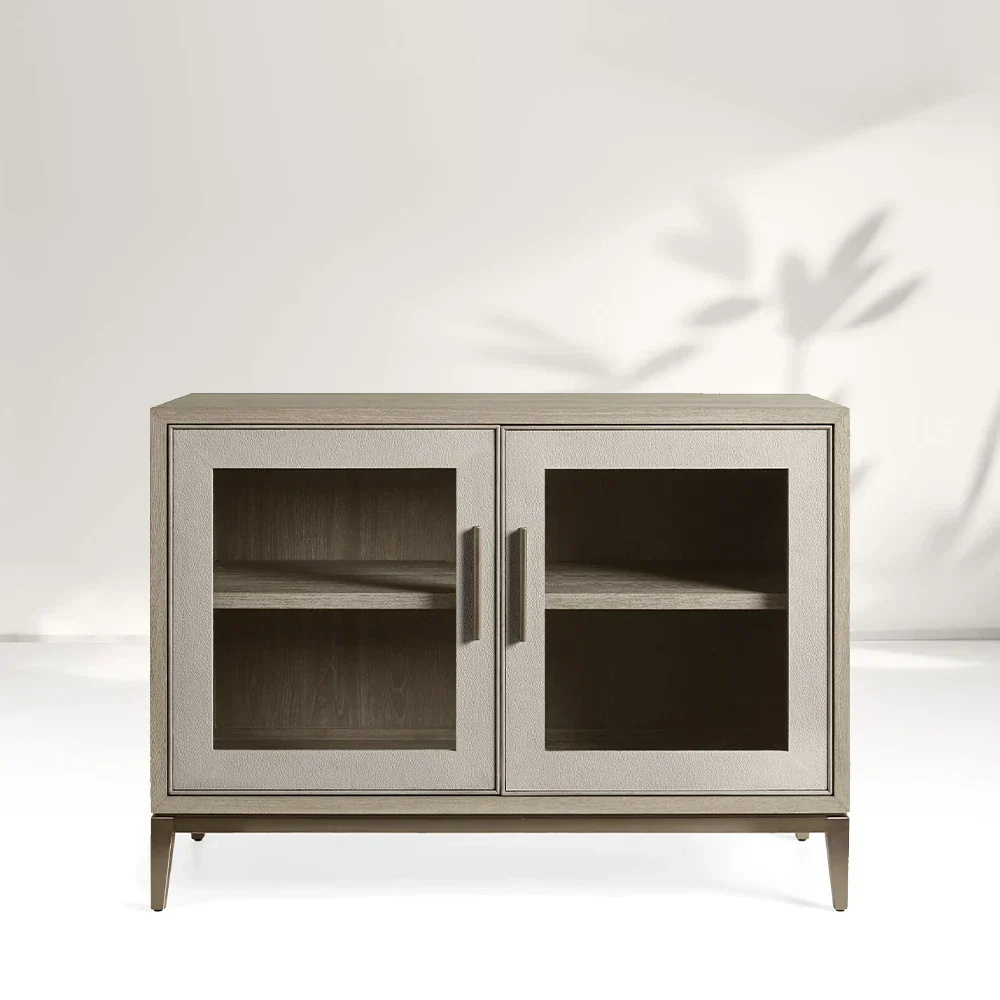
We spend a third of our lives resting. Your Bedroom Furniture directly impacts the quality of your sleep. You must rigorously check the center support system of any bedframe. Quality larger beds, like Queen or King sizes, require exceptional under-mattress support. They must have a rigid center rail. This rail needs adjustable support legs reaching all the way to the floor. Missing these center supports causes mattress sagging. It also frequently voids premium mattress warranties.
You also need to evaluate the connecting hardware. Look for heavy-duty metal brackets linking the side rails to the headboard. Avoid bedframes using direct wood-to-wood screwing. Direct screws loosen rapidly over time due to normal nighttime movement. This loose connection inevitably causes maddening squeaks.
Case goods in the bedroom see daily mechanical action. You open and close dresser drawers hundreds of times a month. Inspect drawer mechanisms before making a decision. You should prioritize soft-close, under-mount metal glides. Traditional wood-on-wood glides work well too, provided they include built-in drawer stops.
Safety and compliance are non-negotiable here. Verify the inclusion of anti-tip hardware. Heavy dressers pose a severe crushing risk to young children. You must secure them to wall studs. Furthermore, ensure finishes are certified low-VOC (Volatile Organic Compounds). Enclosed sleeping areas trap off-gassing chemicals. Low-VOC materials safeguard your indoor air quality and promote healthier breathing at night.
Dining rooms serve dual purposes. They host elegant holiday dinners and messy daily breakfasts. Evaluating your Dining Room Furniture means preparing for intense surface abuse. You must evaluate the top finish critically. Tables require catalyzed conversion varnish or high-grade polyurethane finishes. These durable topcoats effectively resist heat rings, spilled moisture, and daily abrasion. Oil-rubbed finishes look stunning but demand constant, tedious reapplication to stay protective.
If you need an expandable table, test the extension mechanisms. Leaf glides carry the heavy burden of changing the table's shape. They should be geared on a metal track. Alternatively, they must be constructed from heavy-duty hardwood. You want seamless operation performed easily by one person. Avoid flimsy wooden tracks sticking or jamming during operation.
Chair ergonomics dictate how long guests will comfortably linger after a meal. You must respect standard ergonomic ratios. Maintain a strict 10 to 12-inch clearance between the chair seat and the table apron. This gap ensures comfortable legroom for most adult heights. Tighter clearances trap legs and cause extreme discomfort.
Perform strict structural checks on every chair. Look for corner-blocked seats underneath the cushion. You should also check for reinforced stretchers. Stretchers are the wooden crossbars connecting the lower chair legs. They physically withstand the stress of constant tilting, dragging, and shifting. Chairs lacking lower stretchers snap easily when guests lean back.
Nobody has an unlimited budget. You must apply a strategic approach to spending. Allocate the bulk of your budget to primary use items. Sofas, mattresses, and dining tables take massive physical punishment. They require premium materials to survive. Conversely, you can save money on static accent pieces. Side tables, decorative shelving, and occasional chairs rarely bear heavy loads. You can safely purchase cheaper, veneer-based versions of these low-traffic items without sacrificing lifestyle quality.
Marketing departments use the word "lifetime" very loosely. You must read the exact warranty terms. A so-called "lifetime warranty" often applies only to the wooden frame. Meanwhile, the manufacturer might only cover the seat cushions for one to three years. The fabric itself might carry no warranty against pilling or fading. Understand exactly what parts the manufacturer guarantees. Ask specifically if the warranty covers sagging springs or flattened foam.
Buying the perfect piece means nothing if you cannot get it inside your house. Planning logistics prevents costly mistakes. Follow these specific implementation steps:
Request physical swatches: Order fabric and wood swatches before final checkout. You must verify color accuracy under your home's specific lighting conditions. Showroom spotlights severely distort natural colors.
Measure the full delivery path: Do not just measure the final room. You must measure doorways, stairwells, elevator cabs, and tight hallways. Failed deliveries incur massive restocking fees.
Clarify delivery types: Understand the difference between "White Glove" and "Threshold" delivery. White Glove includes assembly and packaging removal. Threshold delivery leaves heavy boxes on your front porch.
Review custom policies: Understand the exact return policy on custom or made-to-order items. Retailers rarely accept returns on custom fabrics unless they arrive damaged.
Evaluating pieces for your home is ultimately an exercise in smart risk mitigation. You must balance your aesthetic desires against verifiable construction standards. Beautiful fabrics cannot save failing frames, and cheap foam will ruin a stunning silhouette. By understanding joinery, suspension, and clearance rules, you take control of the buying process.
Your next step is to grab a tape measure and audit your space. Define your required specifications, such as minimum fabric rub counts and necessary floor clearances. Finally, order material swatches from your shortlisted brands. Armed with this hard data, you will purchase pieces designed to elevate your home for decades.
A: Solid wood consists of lumber throughout the entire piece. Wood veneer is a thin slice of real wood glued over a core. Veneer isn't inherently bad if applied over solid hardwood or high-grade plywood. It allows for beautiful grain matching. However, you should absolutely avoid veneers glued over cheap MDF for high-moisture areas, as they will peel and bubble.
A: Baseline expectations depend on construction. Well-constructed sofas featuring kiln-dried frames and eight-way hand-tied springs should last 10 to 15+ years with normal use. High-density foam cushions may need restuffing halfway through. Solid wood case goods, like bookshelves and heavy coffee tables, can easily last for decades and become heirlooms.
A: The industry operates on standard sale cycles. The best times to buy are typically late winter (January and February) and late summer (August and September). During these months, retailers heavily discount existing floor models and warehouse inventory to make room for new incoming seasonal styles.
A: Do not rely on customer review scores alone. Advise checking the official product specification sheet. You want to see the specific terms "kiln-dried hardwood," "corner-blocked," and "dovetail." Look for specific foam density ratings, like HR foam around 2.0 density or higher. If a brand hides these exact specifications, assume the construction is poor.


