

close
Choose Your Site
Global
Social Media


Views: 0 Author: Site Editor Publish Time: 2026-07-03 Origin: Site


Fast-furniture alternatives dominate today's market. You might hesitate when facing the high upfront costs of traditional furnishings. It is perfectly normal to experience sticker shock initially. However, genuine Solid Wood Furniture represents far more than a simple aesthetic decor choice. We view it as a long-term asset offering measurable returns, proven durability, and a verifiable lifecycle. When evaluated over decades, these pieces easily justify their initial price tag. This guide strips away confusing marketing fluff to give you clarity. We provide a concrete, technical framework for evaluating, selecting, and maintaining authentic wood items. You will learn exactly how to inspect joinery, choose the right species, and manage indoor climates to protect your investment. Let us transform how you shop for furnishings by focusing on true value rather than fleeting trends.
Lifecycle ROI: The cost-per-year of solid wood significantly undercuts engineered alternatives when factoring in replacement cycles and repairability.
Material Matching: Durability relies on matching the wood species' Janka hardness rating to the furniture's daily use case.
Authenticity Verification: Identifying genuine wood requires inspecting grain patterns, end-grains, and structural joinery to filter out high-quality veneers.
Environmental Realities: Wood is a breathing material; structural longevity depends on proper humidity management and proactive, routine maintenance.
Buyers often suffer severe "sticker shock" when evaluating authentic wood pieces against cheaper alternatives. Retailers frequently display MDF, particleboard, or veneer composites right alongside genuine items. At first glance, they look remarkably similar. Yet, their price tags tell wildly different stories. You must look beyond the initial purchase price to understand the true financial picture. We need to evaluate these items as durable assets rather than disposable consumer goods.
A simple lifecycle cost analysis reveals stark differences in value. Let us calculate the cost-per-year of ownership. Engineered wood typically breaks down within five to seven years. It is highly prone to moisture swelling, structural sagging, and surface delamination. Once particleboard gets wet, it swells irreversibly. You cannot fix it. You simply throw it away and buy a replacement. Conversely, genuine wood operates on a 30-to-100-year lifecycle. Even if you pay triple the upfront price, avoiding four replacement cycles makes the authentic piece significantly cheaper over a twenty-year span.
Repairability acts as a massive financial asset. Everyday life damages furniture. Children scratch surfaces, guests spill drinks, and pets cause dents. You can easily restore genuine materials. Professionals or ambitious DIYers can sand them down, apply new stain, and refinish the surfaces completely. Structural cracks can be glued and clamped. This type of deep restoration remains entirely impossible for most manufactured composites. Once you sand through a millimeter-thin veneer, you ruin the item entirely.
Finally, we must consider resale and residual value. High-quality pieces retain a remarkable percentage of their initial value on the secondary market. They bypass the typical depreciation curve associated with flat-pack goods. Sometimes, they even appreciate as highly sought-after vintage assets. Buyers consistently pay premiums for well-maintained oak or walnut items from decades past. You essentially park your money in a functional asset rather than spending it on a depreciating liability.
Material Type | Average Lifespan | Repairability | Moisture Resistance | Residual Resale Value |
|---|---|---|---|---|
Particleboard / MDF | 5 - 7 Years | None (cannot be sanded) | Poor (swells permanently) | Near Zero |
Veneer Composites | 7 - 15 Years | Low (veneer is easily pierced) | Moderate | Low to Moderate |
Authentic Hardwood | 30 - 100+ Years | High (can be fully refinished) | High (with proper finish) | High (often appreciates) |
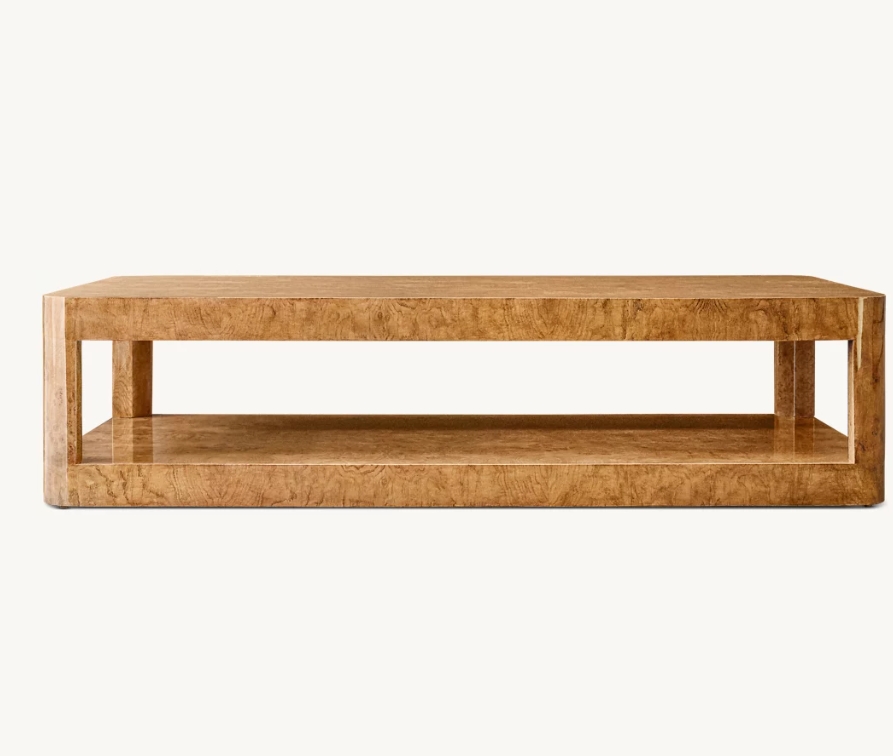
The furniture industry relies heavily on confusing jargon to sell composite materials. You must navigate these deceptive marketing terms carefully. Phrases like "all-wood construction," "wood solids," or "wood veneers" often mask engineered cores. Manufacturers use these legally permissible terms to describe pulverized wood dust glued together. They wrap this cheap core in a thin slice of real wood. Do not let these labels fool you. You need practical ways to verify authenticity in the showroom.
Visual and tactile indicators offer the most reliable proof of authenticity. Start by examining grain continuity. Check closely if the wood grain flows naturally over the edges of the piece. Look at the top surface, then trace the pattern down the side. A genuine board shows continuous, unbroken natural lines. If an edge features a uniform, grainless strip, it is likely edge-banded veneer. Manufacturers glue these plastic or thin wood strips onto MDF edges to hide the composite core.
Next, use your senses of touch and physical effort. Real timber is substantially heavier than manufactured alternatives. Try lifting one end of a dresser. If it feels shockingly light, it likely relies on hollow-core or low-density particleboard. Furthermore, authentic pieces often feel cooler to the touch. Polyurethane-coated MDF retains room heat differently, giving it a slightly warmer, plasticky feel under your palm.
Finally, inspect the intricate carvings and structural joints. Genuine materials allow for deep, seamless, and complex carving. The artisan can cut directly into the block without revealing a different internal layer. Look closely for exposed end-grains at intersections. When two authentic boards meet, you should see the distinct, porous end-grain of the cut timber. Veneered products rarely replicate end-grains accurately, often covering joints with uniform color strips instead.
Not all timber serves the same purpose. You must match the material to how you plan to use the item. We evaluate this using the Janka Hardness Scale. The industry relies on the Janka scale as the objective metric for dent and scratch resistance. It measures the exact force required to embed a small steel ball halfway into a block of wood. A higher number indicates a tougher, more resilient surface.
High-traffic and load-bearing applications demand robust hardwoods. Think about pieces that endure constant daily abuse. A Dining Table faces dropped utensils, heavy dishes, and constant wiping. Similarly, a Solid Wood Sofa frame must support localized, shifting body weight without cracking. For these rigorous applications, you should seek out Oak, Maple, Walnut, and Hickory.
These specific hardwoods offer the high impact resistance required for daily use. Hickory, for example, boasts a massive Janka rating. It easily shrugs off drops and bumps. Oak provides excellent structural rigidity for seating frames, ensuring joints do not loosen under shifting human weight. You pay a premium for these species, but they prevent premature wear in high-traffic zones.
Conversely, low-impact and structural items benefit greatly from softwoods and medium hardwoods. Think about pieces in your bedroom. Wooden Beds, dressers, and bedroom nightstands do not typically face heavy blunt impacts. For these items, Pine, Cherry, and Cedar serve as ideal materials. They carry a lower risk of denting because they sit safely away from chaotic household traffic.
Choosing softer materials here offers distinct advantages. Weight reduction makes large bedroom items significantly easier to move. You can reposition a Pine bed frame without hiring professional movers. Despite being softer on the Janka scale, these woods do not sacrifice structural integrity. They hold screws well and provide decades of reliable service in quieter environments.
Wood Species | Category | Approx. Janka Rating | Best Use Case |
|---|---|---|---|
Hickory | Hardwood | 1,820 | Heavy-duty tables, flooring |
Hard Maple | Hardwood | 1,450 | Butcher blocks, dining tables |
Red Oak | Hardwood | 1,290 | Seating frames, cabinetry |
Cherry | Medium Hardwood | 950 | Bedroom dressers, decorative items |
Eastern White Pine | Softwood | 380 | Bed frames, rustic decor |
We must establish transparent assumptions before you make a major purchase. Let us dispel the myth that genuine pieces are entirely "maintenance-free." You are dealing with physical realities. Wood remains an organic material long after the tree is felled. It possesses a cellular structure that constantly interacts with its surrounding environment. Acknowledging this reality prevents future disappointment.
Humidity and temperature sensitivity represent your biggest ongoing challenges. Wood breathes. It expands when it absorbs moisture and contracts as it dries out. This creates a significant risk of warping, cracking, or splitting if your indoor Relative Humidity (RH) fluctuates drastically. Winter heating systems strip moisture from the air, causing boards to shrink and joints to loosen. We highly suggest maintaining optimal indoor climates. Aim for a consistent 35-45% RH year-round using room humidifiers or HVAC integration.
You must also account for UV exposure and natural patina. Natural timber changes color over time when exposed to direct sunlight. The industry calls this process developing a patina. Cherry darkens into a deep, rich reddish-brown. Walnut, surprisingly, often lightens and warms up under heavy sun exposure. You should rotate decorative objects on your tabletops periodically. This prevents distinct light and dark outlines from permanently burning into the surface finish.
Routine upkeep keeps your investment structurally sound and visually appealing. We must outline realistic care requirements based on your chosen finish. A modern polyurethane finish usually requires only standard wiping with a damp cloth. It acts as a plastic shield. Conversely, traditional oil or wax finishes require periodic reapplication. You will need to rub specialized oils into the grain every six to twelve months. This feeds the material, maintains the protective barrier, and completely prevents the fibers from drying out and cracking.
Evaluating craftsmanship requires inspecting the hidden details. Joinery techniques serve as a highly accurate proxy for overall quality. You want to see mechanical locking joints rather than simple chemical adhesion. Look closely at drawer boxes and frame connections.
What to look for: Demand dovetail joints on drawers. Seek out mortise-and-tenon connections for structural rails. Look for precisely fitted wooden dowels. These traditional methods allow the structure to expand and contract safely without breaking apart.
What to avoid: Instantly reject pieces relying on excessive visible staples. Steer clear of messy glue blobs seeping from seams. Avoid basic butt joints, where two flat ends are simply screwed together, as they will inevitably loosen over time.
You must also evaluate finish safety and indoor compliance. Assess the durability of the applied finishes, whether they use hard polyurethane, classic lacquer, or natural oils. More importantly, verify their chemical makeup. Always check for low-VOC (Volatile Organic Compounds) compliance. High-VOC varnishes off-gas toxic fumes into your home for months, causing headaches and reducing indoor air quality. Responsible brands proudly advertise their zero-VOC or low-VOC certifications.
Finally, understand the warranty evaluation process. You need to know how to read these documents correctly. A trustworthy brand confidently covers structural integrity and joint failure for many years, sometimes for life. However, they will explicitly exclude natural expansion or climate-induced cracking. This exclusion is a sign of an honest manufacturer who understands organic materials. If a brand promises the item will never warp regardless of humidity, they are either lying or selling you heavily processed plastic composites disguised as real timber.
Purchasing authentic timber furnishings represents a deliberate, upfront investment in durability, aesthetics, and long-term cost efficiency. You bypass the wasteful cycle of discarding swollen, broken particleboard every few years. By understanding the Janka scale, verifying genuine joinery, and committing to basic environmental maintenance, you secure assets that gracefully outlive fast-fashion trends. Your next steps should focus on practical application and showroom validation.
Measure your designated spaces carefully, accounting for the heavier weight and larger visual footprint of traditional pieces.
Request physical material swatches from manufacturers to test against your home's natural lighting and observe potential UV patina changes.
Physically pull out drawers and inspect the underside of tables to verify dovetail and mortise-and-tenon joinery standards on your shortlisted brands.
Assess your home's HVAC system to ensure you can maintain the required 35-45% indoor humidity.
A: Not inherently. High-end veneers glued over highly stable engineered cores can successfully prevent warping in exceptionally humid environments where solid boards might crack. However, solid wood wins definitively regarding lifetime repairability. You can sand and refinish solid boards multiple times, extending their lifespan far beyond any veneer product.
A: It depends entirely on the finish applied, not the timber itself. Modern polyurethane finishes create a plastic-like barrier that heavily resists water rings and mild heat. Conversely, traditional natural oil or wax finishes remain porous. They require the strict use of coasters and immediate spill cleanup to prevent permanent marking.
A: Squeaking directly results from friction at the joints as the material naturally shrinks or swells with seasonal humidity changes. Buying frames equipped with premium metal-to-metal bracket hardware drastically reduces this friction. Alternatively, routinely tightening traditional mortise-and-tenon joints during dry winter months easily mitigates the noise risk.


