

close
Choose Your Site
Global
Social Media


Views: 0 Author: Site Editor Publish Time: 2026-08-07 Origin: Site


Many homeowners dream of a peaceful backyard oasis. We all want to spend our weekends relaxing outside. Sadly, seasonal upkeep often ruins this dream. You might buy a beautiful patio set in the spring. By next year, you face hours of sanding, staining, and rust-removal. Replacing degraded materials takes constant effort. This mismatch between relaxation and reality frustrates countless buyers. Fortunately, you can avoid these ongoing headaches.
No patio set is entirely zero-maintenance. Dirt and pollen will always accumulate outdoors. However, selecting the right materials and construction methods makes a massive difference. You can easily reduce your yearly upkeep to a simple seasonal wash. In this guide, we will explore exactly how to choose pieces designed for longevity. We will break down material grades, climate considerations, and hidden hardware details. You will learn how to evaluate construction quality before you make a purchase. Keep reading to discover how to build a beautiful, low-effort outdoor living space.
Material composition is the primary baseline for maintenance; High-Density Polyethylene (HDPE) and powder-coated aluminum require the least ongoing intervention.
Local climate factors (humidity, salt spray, UV index) must act as the primary filter before shortlisting aesthetics or price.
True durability relies heavily on secondary components: hardware (screws, brackets) and cushion fabric technology.
Warranty structures reveal manufacturer confidence; separate terms usually apply to frames, finishes, and fabrics.
We first need to establish a clear baseline for evaluation. Easy maintenance means you never apply annual waterproofing. It means you avoid painting. It also means you skip specialized chemical treatments entirely. Truly low-maintenance products survive the elements without demanding constant weekend labor. You simply enjoy your patio instead of working on it.
You must contrast high-intervention tasks against low-intervention tasks. High-intervention tasks include sanding wooden frames. They include scrubbing away mold or treating iron for rust spots. Low-intervention tasks are much simpler. A low-intervention task involves hosing down the frame. It might require wiping surfaces down using mild soap and water. When you evaluate products, ask yourself how much intervention the material requires annually.
Buyers must also address the common "weight vs. wind" trade-off. Lightweight furniture is incredibly easy to move. You can quickly lift it to sweep the deck. However, lightweight frames carry hidden maintenance costs. High winds can easily flip them over. You must move lightweight pieces into storage during heavy storms. This creates high-intervention storage demands. Heavier items stay put year-round. They handle storms well but require more effort to move during spring cleaning. You must weigh this trade-off based on your local weather patterns.
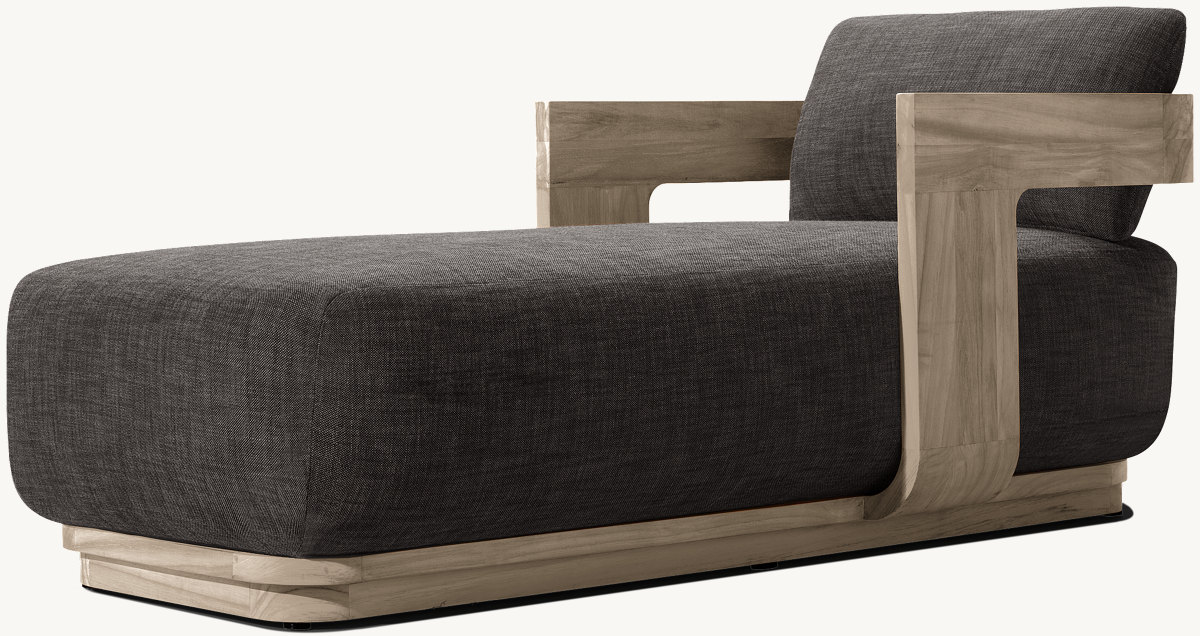
Material selection dictates your future workload. Different materials handle weather exposure in vastly different ways. We rank the most common materials below to help you make informed decisions when buying general Outdoor Furniture.
Maintenance Level Comparison Chart
Material Type | Maintenance Level | Primary Cleaning Method | Weather Resistance |
|---|---|---|---|
HDPE / Poly Lumber | Minimal | Mild soap and water | High (UV, Moisture, Rot) |
Powder-Coated Aluminum | Minimal | Hose down, check for scratches | High (Rust-proof) |
Synthetic Resin Wicker | Moderate | Soft brush and water | Medium (Depends on UV rating) |
Natural Woods (Teak) | High | Annual oiling or sealing | Medium (Greys over time) |
HDPE offers an incredibly minimal maintenance level. You only need basic soap and water to keep it clean. Manufacturers create poly lumber from recycled plastics. This dense material feels heavy and sturdy. It immune to rot, insects, and splintering. It completely eliminates the need for painting or sealing.
Your primary evaluation criteria should focus on UV protection. Look for UV-inhibitors mixed thoroughly throughout the material. Some cheap plastics only feature a surface coating. A surface coating will eventually peel or fade. True HDPE maintains its color all the way through the board. If you want a deeply resilient Outdoor chair, HDPE is arguably the best investment you can make.
Powder-coated aluminum also ranks highly for minimal upkeep. You handle periodic washing with a garden hose. Occasionally, you must check the finish for deep scratches. Aluminum is naturally rust-proof. It does not contain iron, so it cannot produce red rust stains.
To evaluate aluminum properly, verify the quality of the powder coating. The coating process bakes color directly onto the metal. This creates a hard, durable shell. You must also inspect the frame construction. Ensure all welds are smooth. Rough welds allow water to pool. Pooling water can degrade the protective finish over time or cause freezing damage in winter.
Synthetic resin wicker requires moderate maintenance. Dust and dirt easily trap themselves inside the woven crevices. You will need a soft brush to dislodge this debris. You cannot simply wipe it flat like aluminum or HDPE.
Evaluation criteria here are strict. The wicker must be woven over a rust-proof aluminum frame. You should completely avoid steel frames hidden under wicker. Steel will rust and ruin the weaving. Furthermore, you must differentiate between cheap PVC and durable Polyethylene (PE) rattan. PVC becomes brittle and snaps over time. PE rattan flexes and resists UV degradation. A PE-based Outdoor Sofa provides excellent comfort while surviving harsh seasons.
Natural woods demand high maintenance if you want to maintain their original color. If you allow them to weather, the maintenance drops to minimal. Teak is incredibly durable. It naturally contains oils fighting off rot and insects.
You must transparently address this aesthetic trade-off. Buyers must accept the transition to a silvery-gray patina over time. If you hate the gray look, you must commit to annual oiling. You will need to sand and seal the wood every single season. Most buyers underestimate this labor. Only choose wood if you embrace the weathered look or love woodworking tasks.
Your local climate must dictate your final material choice. A beautiful frame in California might disintegrate quickly in Florida. You must filter your options based on environmental realities.
Salt spray destroys poor materials rapidly. You must eliminate ferrous metals entirely from your shopping list. Steel and wrought iron will rust within months near the ocean. Even standard aluminum can pit without a thick powder coat. For coastal zones, mandate HDPE or marine-grade polymer. These plastics ignore salt completely. Additionally, you must demand 316 stainless steel hardware to prevent aggressive corrosion at the joints.
Desert climates bake materials relentlessly. You must prioritize heavy UV-resistance above all else. Avoid dark-colored metals entirely. Dark aluminum absorbs intense heat and can easily burn bare skin. You must also avoid cheap injection-molded plastics. High heat causes low-grade plastics to warp, bend, or become hopelessly brittle. Stick to light-colored HDPE or UV-treated PE wicker.
Wet climates breed mold and mildew. Wood often struggles in deep shade with high humidity. You should focus entirely on mold resistance. Prioritize aluminum frames since they shed water instantly. If you use cushions, they require special attention. Ensure any cushions utilize quick-dry reticulated foam. They must also feature highly breathable fabrics to prevent trapped moisture.
Coastal Tip: Rinse salt off furniture bi-weekly, even if it is marine-grade.
Desert Tip: Place seating under pergolas or umbrellas to extend lifespan.
Humid Tip: Store cushions vertically so water drains out the bottom seams.
Many buyers focus solely on the primary frame material. They ignore the critical secondary components. True durability relies on how the manufacturer puts those materials together.
A rust-proof aluminum frame is utterly useless if the screws rust. Cheap hardware will bleed red stains onto your pristine patio. You must always check the hardware specifications. Advise checking for 304 or 316 stainless steel hardware. Grade 316 provides the highest resistance to corrosion. If a brand does not specify the hardware grade, they likely use cheap zinc-plated steel.
Compare fully welded frames against bolted flat-pack furniture. Fully welded frames offer significantly higher durability. They require zero assembly maintenance. The joints never loosen over time. Bolted furniture arrives in boxes. It requires periodic tightening every season. Bolted joints also present a higher failure risk. Wind and daily use slowly vibrate the bolts loose. Choose welded frames whenever your budget allows.
Textiles often fail long before the frame does. We must define the standard for low maintenance fabrics. You should specifically look for solution-dyed acrylics. Sunbrella is the most famous example. In solution-dyed fabrics, manufacturers integrate color directly into the liquid fiber before weaving it. The color goes all the way through the thread. Conversely, printed polyester only features color stamped on top. Printed polyester fades rapidly under direct sunlight. Solution-dyed acrylic resists fading, bleach, and mildew.
Understanding what happens after your purchase ensures you enjoy your space for years. You must look closely at warranty structures and off-season storage habits.
Warranties reveal a manufacturer's true confidence in their product. You must read the fine print carefully. Brands often advertise a "10-year warranty" in large letters. However, this usually only covers the structural frame. The powder-coating finish might only carry a 3-year warranty. The fabric cushions might only have a 1-year warranty. Ensure you understand these separate terms. A robust warranty covers the finish for at least five years.
You must discuss the realistic footprint of off-season care. Freezing temperatures and ice cause massive damage to neglected furniture. Even low-maintenance furniture benefits greatly from breathable, water-resistant covers. High-quality covers keep dirt and freezing moisture away from joints. Covering your sets heavily reduces your spring cleaning time. Just remove the cover, wipe away light dust, and relax.
To finalize your decision, follow a strict logical progression. We recommend this simple step-by-step checklist:
Measure your space: Define the exact footprint you have. Ensure you leave enough room for foot traffic around the pieces.
Define climate non-negotiables: Identify your biggest local threat. Is it salt, intense sun, or heavy rain? Filter out any materials that fail against this threat.
Select the material and hardware: Choose the primary frame material that fits your climate. Verify the secondary hardware and cushion fabrics meet high-quality standards.
Investing in easy-to-maintain outdoor living pieces pays massive dividends over time. You save countless hours of manual labor every spring. You avoid the constant frustration of sanding, sealing, and treating rust. More importantly, you stop throwing away degraded sets every few years.
Start by auditing your specific outdoor space. Assess your local weather conditions honestly. Do not buy a high-maintenance wood just because it looks pretty in a catalog. Begin requesting material samples from brands. Visit local showrooms to physically test the build quality and inspect the hardware. Taking these proactive steps ensures your patio remains a place of true relaxation, rather than another weekend chore.
A: It depends entirely on the material. You can confidently leave HDPE, poly lumber, and high-quality aluminum outside during winter. They resist freezing temperatures well. However, you should never leave untreated natural woods or cheap PVC wicker exposed to snow and ice. Moisture expands when freezing, which cracks brittle materials easily.
A: Rarely. Most outdoor cushions are merely water-resistant. Water-resistant fabrics repel light rain, but heavy downpours will soak them. True outdoor performance requires quick-dry reticulated foam inserts. This specialized foam allows water to flow straight through it without holding moisture. Always check the foam type, not just the fabric cover.
A: You cannot stop all scratches, but you can minimize them. Always use coasters under ceramic mugs or rough pots. Avoid dragging the frames across rough concrete. Never use abrasive chemical cleaners or stiff wire brushes. If a scratch occurs, use a manufacturer-provided touch-up pen immediately to seal the exposed metal.
A: Yes and no. Polywood is a brand name often used generically to describe High-Density Polyethylene (HDPE) lumber. It is made from recycled plastics like milk jugs. However, it differs greatly from cheap, injection-molded resin plastic chairs. HDPE is solid, heavy, UV-resistant, and built to last decades without snapping.


